


Enhancing User Experience through an Intuitive Dashboard
In the digital age, having a user dashboard is pivotal for any platform that requires user interaction. A well-designed user dashboard not only improves the functionality of the application but also enhances the overall user experience. Whether you’re managing an e-commerce site, a gaming platform, or a social media app, the dashboard is where users interact with the core functionalities. For instance, if you’re looking to access a betting platform, you can easily get started by visiting User Dashboard 1×bet login. This aspect highlights just how essential user dashboards are in connecting users to services.
The Purpose of a User Dashboard
A user dashboard serves as the central hub for users, providing access to key metrics, functionalities, and settings. It’s designed to offer a comprehensive overview of relevant information at a glance. Dashboards can vary greatly in layout and complexity, depending on the purpose and the target audience. For some, it may include data visualizations, while for others, it may focus more on ease of navigation to various sections of an application.
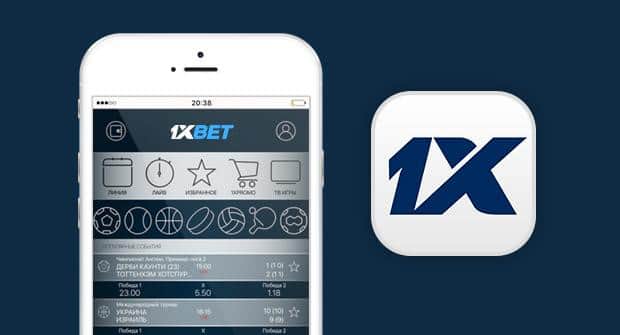
Core Features of an Effective User Dashboard
- Data Visualization: Effective dashboards often incorporate graphical elements that allow users to quickly interpret data. Bar graphs, pie charts, and line charts are commonly used for this purpose.
- Customizability: Users should have the ability to customize their dashboards. This might include adding or removing widgets, changing themes, or rearranging layout elements according to their preferences.
- Real-Time Updates: Information displayed on the dashboard should update in real time, particularly for services that rely on live data, such as stock trading platforms or gaming scores.
- Quick Access to Tools: Dashboards should enable quick access to frequently used tools or features, reducing the need for multiple clicks and improving efficiency.
- Mobile Responsiveness: With the growing use of mobile devices, it’s crucial that dashboards are designed to be mobile-responsive to provide a seamless experience across devices.
Design Considerations for User Dashboards
Designing a user dashboard entails understanding user needs and behaviors. Here are some essential considerations to keep in mind:
- User-Centric Design: The dashboard design should prioritize the user’s experience. User testing can help identify what users find most valuable and intuitive.
- Simplicity is Key: Avoid clutter. Too much information can overwhelm users; aim for a balance between providing necessary data and maintaining a clean interface.
- Consistency: Maintain a consistent layout, color scheme, and typography. This helps users navigate and understand the interface more quickly.
- Feedback Mechanisms: Incorporating feedback mechanisms, such as notifications or alerts for actions taken or data updates, enhances user interaction and ensures that they remain aware of changes.
Benefits of an Effective Dashboard
Implementing a well-designed user dashboard offers numerous benefits:

- Improved User Engagement: Users are more likely to engage with a platform that provides them with intuitive and easy-to-navigate dashboards.
- Enhanced Decision-Making: By presenting data in a clear and efficient manner, dashboards assist users in making informed decisions quickly.
- Increased Productivity: By facilitating quick access to tools and information, users can accomplish tasks more efficiently, which in turn can boost overall productivity.
- Retention and Loyalty: A positive user experience with well-structured dashboards can lead to user retention and loyalty, as users are likely to return to platforms that are easy to navigate and use.
Future Trends in User Dashboards
As technology evolves, so too will user dashboards. Several trends are emerging:
- AI and Machine Learning: Personalization through AI can lead to smarter dashboards that adapt based on user behavior and preferences.
- Integration with External Tools: Dashboards that can aggregate data from various sources will become more prevalent as users seek comprehensive overviews.
- Voice and Gesture Controls: Future dashboards may implement voice-assisted navigation and gesture controls, creating a more interactive user experience.
Conclusion
In conclusion, user dashboards are a vital component of many digital platforms, improving user experience through intuitive design, functionality, and accessibility. As the digital ecosystem grows and evolves, so will the expectations surrounding dashboards. Embracing user feedback and keeping abreast of technological advances will be key for developers looking to create effective dashboards that stand the test of time. The synergy between user interfaces and user experience ensures that as we move forward, the importance of a well-crafted user dashboard will remain paramount.